How to Master the Schwa Sound (/ə/): The Secret to Natural English Rhythm
The schwa (/ə/) is the most common vowel sound in the English language. Learn where it occurs, vowel reduction rules, and how to sound natural and effortless.
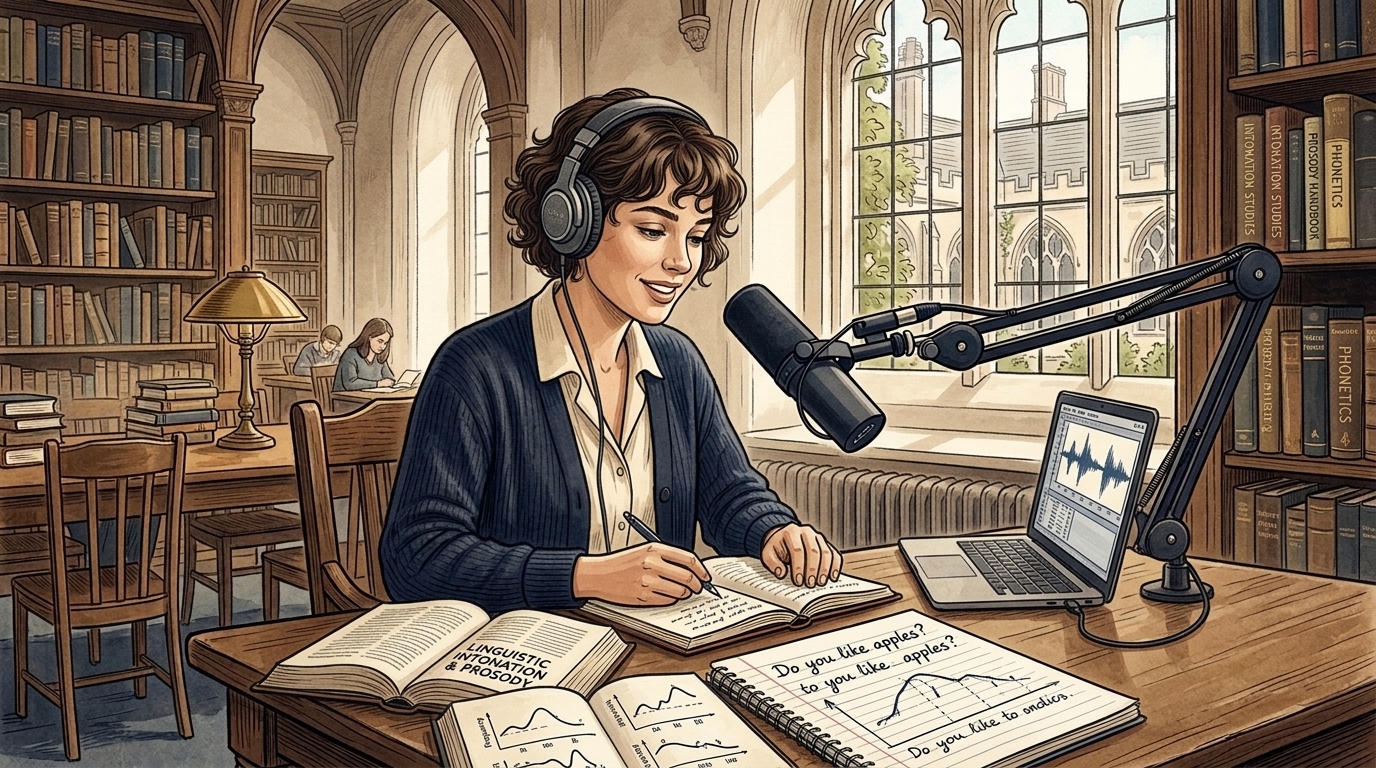
If there is a single phonetic sound that separates stiff, robotic-sounding English from natural, effortless native fluency, it is the Schwa sound—represented by the upside-down 'e' symbol in the IPA: /ə/.
The schwa is by far the most frequent vowel sound in the entire English language, accounting for roughly 1 in every 3 vowels spoken. Yet, because there is no single letter "schwa" on the English keyboard, learners often overlook its crucial role in spoken rhythm.
In this guide, we break down what the schwa is, why it exists, and how to use it to transform your spoken fluency.
1. What Is the Schwa? (The Sound of Pure Relaxation)
Acoustically, the schwa is a mid-central neutral vowel.
To produce a schwa:
- Your tongue sits completely relaxed in the center of your mouth (neither high nor low, neither front nor back).
- Your lips are unrounded and neutral.
- Your jaw drops only slightly.
- You let out a very short, effortless puff of voiced air: "uh".
Because the vocal tract is completely at rest, the schwa requires less muscular effort than any other vowel in human language.
2. Where Does the Schwa Appear in English?
The schwa appears exclusively in unstressed syllables. It can be spelled with any vowel letter (A, E, I, O, U) or combination of letters:
| Vowel Letter | Example Word | Standard Spelling vs. IPA Pronunciation | Schwa Location |
|---|---|---|---|
| A | about, banana | /əˈbaʊt/, /bəˈnænə/ | First & last syllable |
| E | problem, item | /ˈprɒbləm/, /ˈaɪtəm/ | Second syllable |
| I | pencil, family | /ˈpensəl/, /ˈfæməli/ | Unstressed middle syllable |
| O | police, carrot | /pəˈliːs/, /ˈkærət/ | First syllable / second syllable |
| U | support, circus | /səˈpɔːt/, /ˈsɜːkəs/ | First syllable / second syllable |
| OU | famous, nervous | /ˈfeɪməs/, /ˈnɜːvəs/ | Suffix -ous |
3. The Function Word Rule: Weak Forms in Fast Speech
In spoken English, sentences consist of two classes of words:
- Content Words (Nouns, Main Verbs, Adjectives, Adverbs) → Stressed and clearly articulated.
- Function Words (Articles, Prepositions, Conjunctions, Auxiliary Verbs) → Unstressed and systematically reduced to the schwa!
When non-native speakers pronounce every function word in its dictionary "strong form," speech sounds choppy and mechanical:
| Function Word | Strong Form (Citation Form) | Weak Form with Schwa (/ə/) | Example Sentence |
|---|---|---|---|
| a / an | /eɪ/, /æn/ | /ə/, /ən/ | "Have a cup of tea." (/hæv ə kʌp/) |
| the | /ðiː/ | /ðə/ (before consonants) | "Close the door." (/kləʊz ðə dɔː/) |
| to | /tuː/ | /tə/ | "I want to go." (/aɪ wɒnt tə ɡəʊ/) |
| for | /fɔːr/ | /fə/ or /fər/ | "This is for you." (/ðɪs ɪz fə juː/) |
| of | /ɒv/ | /əv/ | "A piece of cake." (/ə piːs əv keɪk/) |
| can | /kæn/ | /kən/ | "I can help." (/aɪ kən help/) |
| and | /ænd/ | /ənd/ or /ən/ | "Rock and roll." (/rɒk ən rəʊl/) |
4. The 3 Golden Rules to Master the Schwa
Rule 1: Find the Stressed Syllable First
In any multisyllabic English word, identify the primary stressed syllable. Make that syllable longer, louder, and higher in pitch. Every other vowel in the word is a prime candidate to be reduced to /ə/.
Rule 2: Cut the Duration in Half
A full vowel typically lasts 200–300 milliseconds. A schwa lasts only 50–80 milliseconds. Practice rushing through unstressed syllables so the rhythm lands decisively on the stressed beat.
Rule 3: Don't Trust English Spelling
Never guess a vowel's pronunciation from its spelling. Always check the IPA transcription for the /ə/ symbol.
5. Practical Exercises
Read these sentences aloud, actively reducing the bolded words to /ə/:
- I would like a glass of water, please. → /aɪ wʊd laɪk ə ɡlɑːs əv ˈwɔːtə pliːz/
- We are going to the market for some bread. → /wi ə ˈɡəʊɪŋ tə ðə ˈmɑːkɪt fə səm bred/
- She can speak three languages. → /ʃiː kən spiːk θriː ˈlæŋɡwɪdʒɪz/
Benchmark Your Speech Rhythm
Want to see whether your English rhythm achieves natural stress-timing? Take our free Accent Test to get an AI breakdown of your vowel reductions and intonation curves!
The Accent Test editorial team creates evidence-based guides on English phonetics, pronunciation, and intelligibility, referencing the International Phonetic Alphabet (IPA), CEFR benchmarks, and applied phonology research.
Ready to Benchmark Your English Accent?
Record a short audio sample to get an instant acoustic analysis of your vowel formants, rhythm stress-timing, and clarity score.
Take the Accent Test